

round demister bathroom mirror
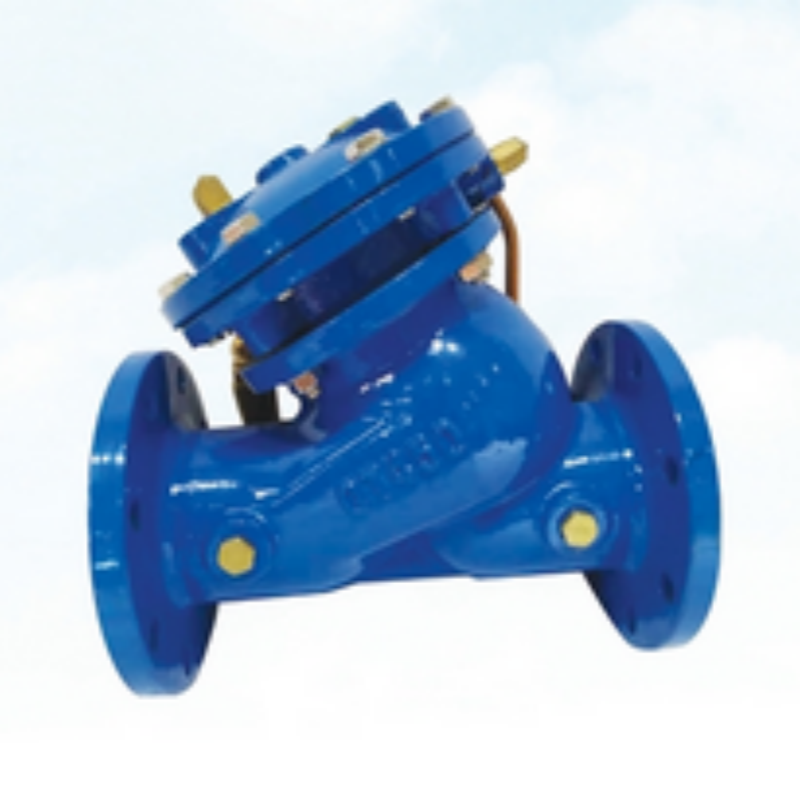
Understanding Gate Valves A Focus on Gate Valve 16 Gate valves are crucial components in various industrial applications, serving as a mechanism to start or stop the flow of fluids through a pipe. Among the numerous types of gate valves available, Gate Valve 16 has gained attention for its reliability and efficiency. This article explores the characteristics, applications, advantages, and maintenance of Gate Valve 16, offering insights into why it is favored in many scenarios. What is a Gate Valve? A gate valve is a linear valve that opens by lifting a barrier (the gate) out of the path of the fluid. The main function of a gate valve is to provide a straight-line flow of fluid with minimum restriction. Compared to other types of valves, such as ball valves or globe valves, gate valves are more suited for use in applications where the flow needs to be either completely on or completely off. Features of Gate Valve 16 Gate Valve 16 stands out due to several key features that enhance its performance - Design and Construction Typically made from durable materials like stainless steel, cast iron, or bronze, Gate Valve 16 is designed to withstand high pressures and temperatures. Its robust construction ensures longevity and reliability in demanding environments. - Size and Configuration Gate Valve 16 comes in various sizes, making it versatile for different applications. Whether it’s a small residential plumbing system or a large-scale industrial pipeline, there’s a suitable Gate Valve 16 configuration. - Sealing Mechanism The sealing mechanism of Gate Valve 16 is engineered to provide a tight seal when the valve is closed. This feature prevents leakage, which is crucial for maintaining the integrity of fluid systems. Applications of Gate Valve 16 Gate Valve 16 is utilized in diverse fields, including - Oil and Gas Industry In oil and gas pipelines, Gate Valve 16 is employed to control the flow of crude oil and natural gas, where it is pivotal in managing flow rates and pressures during processing and transportation. gate valve 16 - Water Supply Systems Municipal water supply systems rely on Gate Valve 16 to regulate the flow of water through pipelines, ensuring the system operates efficiently and safely. - Chemical Processing The chemical industry uses Gate Valve 16 for controlling the flow of corrosive and hazardous fluids, benefitting from its ability to maintain pressure and prevent leaks. - Power Generation In power plants, Gate Valve 16 is integral to steam and water systems. It helps in providing efficient flow control to ensure optimal operation of turbines and boilers. Advantages of Gate Valve 16 The popularity of Gate Valve 16 is attributable to several advantages - Minimal Pressure Drop One of the most significant benefits of Gate Valve 16 is its ability to offer low pressure drop across the valve when fully open. This characteristic is essential for systems requiring high flow rates. - Straight-Through Flow Gate valves provide a straight path for fluid, minimizing turbulence and making them suitable for applications where a smooth flow is needed. - Durability With proper maintenance, Gate Valve 16 can have a long service life, which reduces the need for frequent replacements and lowers long-term operational costs. Maintenance of Gate Valve 16 Proper maintenance is critical to ensure the effective functioning of Gate Valve 16. Regular inspections for signs of wear, corrosion, or leakage are advisable. The valve should be operated periodically to ensure that the gate does not seize in the closed position. Lubrication of moving parts and checking for any buildup of debris can also prolong the valve’s life. Conclusion In summary, Gate Valve 16 plays a significant role in a variety of industries by offering efficient flow control, durability, and minimal pressure loss. Its design and functionality make it an essential component of fluid systems, whether for managing water supply, oil and gas transport, or chemical processing. Understanding its features, applications, and maintenance needs can assist engineers and technicians in selecting the right valve for their systems and ensuring that they operate efficiently and reliably over time. As technology advances, Gate Valve 16 will continue to be a relevant choice in the ever-evolving landscape of industrial fluid management.
about
round demister bathroom mirror
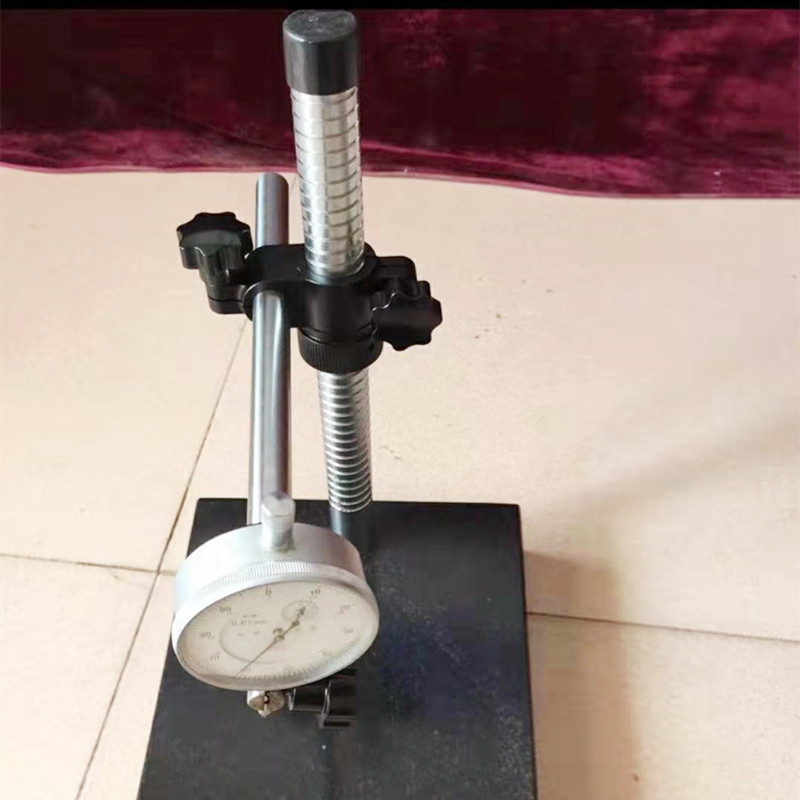
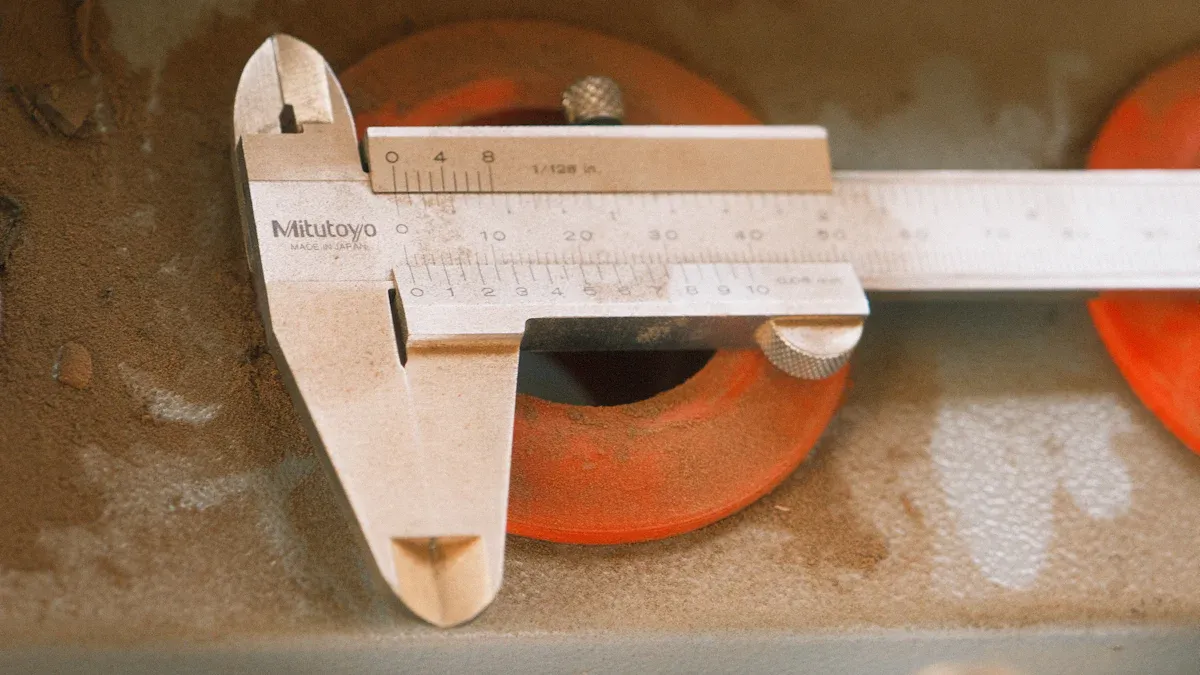
Understanding Dial Snap Gauges Key Features and Applications Dial snap gauges are precision measurement tools widely utilized in manufacturing and engineering processes. Their design and functionality offer a direct means of assessing the dimensions of various components, ensuring that they meet the required specifications and tolerances. This article will explore the features, working principles, and applications of dial snap gauges, highlighting their importance in quality control and manufacturing efficiency. What is a Dial Snap Gauge? A dial snap gauge is a mechanical measuring instrument equipped with a dial indicator, which allows users to measure the thickness or diameter of a component accurately. The device typically consists of two arms that are used to snap around the part being measured. When the arms contact the component, any deviation from the desired measurement is displayed on the dial gauge, giving instant visual feedback to the operator. The dial indicator usually features a needle dial, which rotates as the arms close around the part. The position of the needle indicates whether the measured dimension is within acceptable tolerances. Unlike digital gauges, dial snap gauges provide a tactile and visual means of measurement, which many operators prefer for its simplicity and reliability. Key Features of Dial Snap Gauges 1. Measuring Range Dial snap gauges come in various ranges, accommodating different sizes of components, from delicate parts to large machinery components. 2. Calibration Regular calibration is essential to maintain accuracy. Most dial gauges are designed to be recalibrated easily, ensuring consistent measurement over time. 3. Durability Constructed from high-quality materials, these gauges are robust enough to withstand the rigors of industrial environments. Their resistance to wear and damage is crucial for long-term usage. 4. User-Friendly Design The straightforward mechanism of operation allows both experienced machinists and beginners to use the tools effectively without extensive training. 5. Cost-Effectiveness Compared to digital measuring devices, dial snap gauges are often more affordable, making them an attractive option for many businesses, particularly small to medium-sized enterprises. How Dial Snap Gauges Work To use a dial snap gauge, the operator first positions the gauge around the part to be measured. As the arms close, they exert a slight pressure against the surface, which ensures accurate contact without damaging the component. The reading from the dial then indicates whether the part's dimension fits within the specified limits . dial snap gauge One of the primary advantages of using a dial snap gauge is the immediate feedback it provides. Unlike some other measuring methods that may require extensive setup or calculation, the dial gauge offers quick verification, facilitating faster production cycles. Applications of Dial Snap Gauges Dial snap gauges are prevalent across various industries, including 1. Manufacturing They are used to measure machined parts, ensuring that each component is manufactured to the correct specifications, which is crucial for assembly operations. 2. Quality Control In quality assurance processes, dial snap gauges are invaluable for checking the tolerances of different components. This helps to catch defects early, reducing waste and improving product quality. 3. Automotive The automotive industry relies heavily on precision measurements for safety-critical components. Dial snap gauges are essential for verifying tolerances in brake systems, engine components, and more. 4. Aerospace In aerospace manufacturing, where precision is paramount, dial snap gauges help ensure that parts meet stringent safety and performance standards. 5. Medical Devices The production of medical devices often involves components with tight tolerances, making dial snap gauges essential for maintaining compliance with regulatory standards. Conclusion Dial snap gauges are indispensable tools in the realm of precision measurement. Their simple yet effective design, combined with their durability and accuracy, makes them a favorite among engineers and quality control professionals. Whether in manufacturing, automotive, aerospace, or medical fields, these gauges play a critical role in ensuring that components meet the necessary specifications and standards. As industries continue to demand higher precision and quality, the relevance of dial snap gauges will only increase, solidifying their status as a vital instrument in modern manufacturing processes.
-

High quality industrial productsagement

High quality industrial products
View Details -

Meet the diverse needs of customers

Meet the diverse needs of customers
View Details -

Strict quality control

Strict quality control
View Details -

Top raw materials

Top raw materials
View Details -

Trusted supplier

Trusted supplier
View Details
Our application

news and information
Ventil s klapkou 50 mm pro optimální regulaci průtoku vody
Klapka s průměrem 50 mm Klíčový prvek v regulaci toku Klapky jsou nezbytnou součástí mnoha průmyslov
v bloková cena
V současné době se v oblasti kryptoměn stále více hovoří o různých aspektech cen a jejich vlivu na t
Various Control Valve Types and Their Industrial Uses Explained
Types of Control Valves and Their Applications Control valves are essential components in various in
 English